
The Importance of Building Codes for Small Homes
Tiny houses are becoming more popular as people seek simpler and cost-effective living. But, building a tiny house is not just about design. It involves understanding the rules that govern construction. Building codes ensure safety and quality in all homes, including small ones. Understanding these codes is essential for anyone considering building or purchasing a tiny home.
Why Building Codes Matter
Building codes are crucial because they set standards for safety and quality. They ensure that every structure, regardless of size, is safe to live in. For tiny houses, these codes address issues like structural stability, electrical systems, plumbing, and fire safety. Adhering to these guidelines helps prevent accidents and ensures that your tiny house provides a safe living environment.
Navigating Zoning Laws
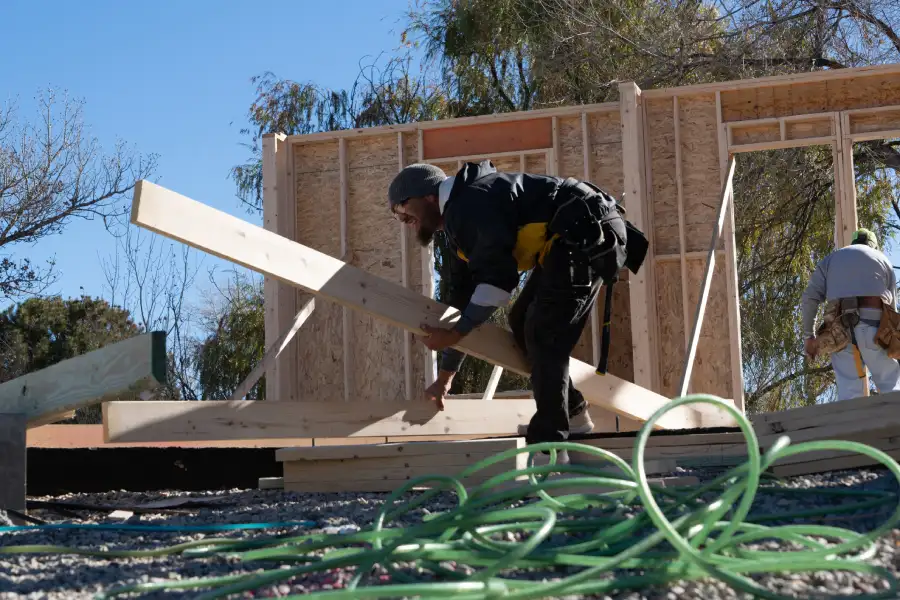
A key part of tiny house construction involves navigating zoning laws. Zoning laws vary by location and dictate where you can place your tiny house. Some areas have restrictions on size or require specific permits. Before starting your project, it’s important to check local zoning regulations to avoid potential legal issues down the road.
Common Challenges Faced by Builders
One challenge in tiny house construction is meeting both building codes and personal needs. Sometimes, what you want for your home might not align with code requirements. Another issue is the variation in codes from one area to another, which can be confusing. Builders must balance creativity with compliance, ensuring their designs meet all necessary standards.
- Structural Integrity: Ensuring the framework can handle weather conditions
- Utilities: Proper installation of electrical, plumbing, and heating systems
- Sustainability: Using eco-friendly materials without compromising on code compliance
Solutions for Overcoming Challenges
To overcome challenges in constructing a tiny home, it’s advisable to work with professionals who understand local building codes. Consulting an expert can help streamline the process. Additionally, choosing standardized plans approved by local authorities can simplify compliance. Building smaller also allows focus on sustainable features while adhering to necessary codes.
Best Practices in Tiny House Builds
When building a tiny house, consider best practices such as using multi-functional furniture and optimizing space usage. Prioritize energy efficiency by installing solar panels or efficient insulation materials. Staying updated on new code changes is also helpful. This proactive approach ensures that your tiny house remains compliant over time.
Industry Standards That Govern Tiny Homes
Tiny homes must adhere to specific industry standards like those set by the International Residential Code (IRC). These standards cover aspects such as maximum room sizes, ceiling heights, and egress windows for safety. Compliance with these standards is vital to ensuring the functionality and safety of your tiny house.
Financial Considerations When Building a Tiny Home
Cost considerations often drive people to build tiny homes. While they are cheaper than traditional homes, costs can add up through permitting fees and customization. It’s important to budget for unexpected expenses. Despite initial costs, investing in quality materials can reduce maintenance costs in the future.
Your Next Steps in Building Your Tiny Haven
Starting your journey into tiny house living requires careful planning and research. Take time to understand local building codes and engage professionals who can guide you through the intricacies of construction. At All in 1 Home Improvement & More LLC, we offer support throughout your building process to ensure you achieve your dream home within regulatory frameworks. Reach out to us at (252) 304-6927 for expert advice tailored to your needs. Based in New Bern, NC, our team specializes in helping clients create functional and compliant tiny homes.